Bringing Ambulance Service to South Sudan
Access to skilled healthcare can be the difference between life and death. But health facilities in South Sudan’s rural areas are few and far between, forcing families in isolated communities to travel long distances to reach lifesaving care. When severe floods make unpaved roads impassable, people who need urgent medical care are left without help.
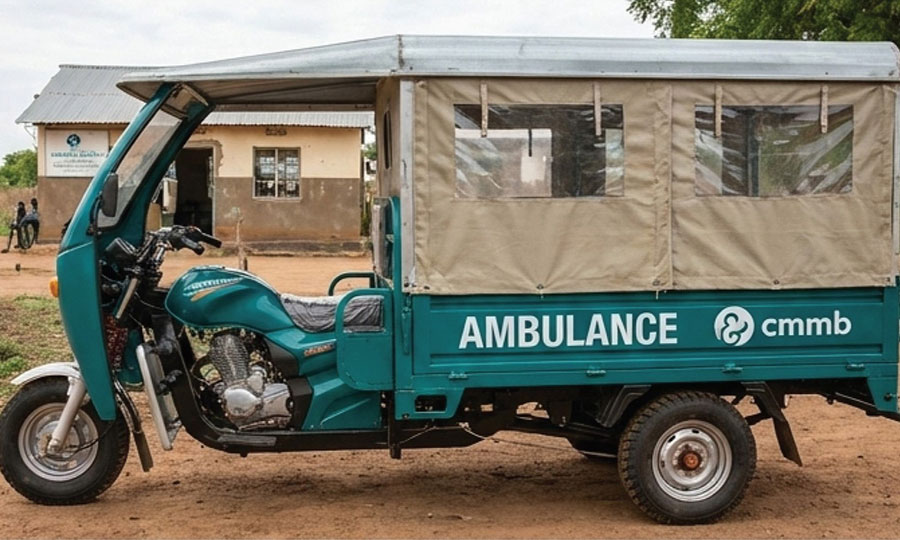
That’s why CMMB’s recent partnership with the Loyola Foundation is so vital. We recently received a grant from this family-based charitable organization to purchase three motorbikes that can handle South Sudan’s rough terrain. These specially engineered vehicles serve as ambulances, bringing healthcare closer to communities in the vulnerable Tambura-Yambio region in the southwestern part of the country.
Barriers to Healthcare in South Sudan
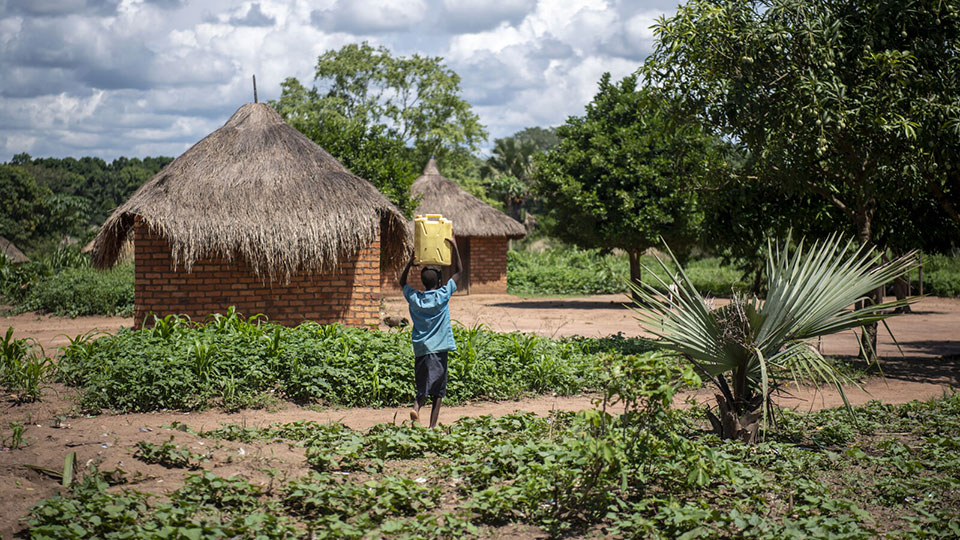
Life is challenging enough in Tambura and Yambio counties. Here, poverty rates are high, and families have limited access to education and well-paying jobs. Political upheaval and a fragile economy, along with humanitarian challenges and unreliable harvests, cause persistent food insecurity for much of the population. Violence against civilians is not uncommon, and families who need health services risk their safety as they travel far from home for care.
In recent years, the region’s challenges have grown. Climate change is extending an already lengthy rainy season and the looming El Niño is expected to increase rainfall substantially between October and December. South Sudan’s people must cope with heavy rains that overwhelm their neighborhoods and destroy their crops. Flooding turns dirt roads into muddy waterways and destroys fragile bridges, confining families to their communities—and cutting them off from essential health services.
CMMB South Sudan has seen floods keep more than 15,000 people at a time from emergency care, putting fragile lives at greater risk. Pregnant women are particularly vulnerable, as South Sudan has one of the highest maternal mortality rates in the world. During the rainy season, a woman preparing for labor must navigate dangerous, muddy roads to reach the nearest clinic, or give birth at home without professional help—a difficult choice at her most vulnerable moment.
Reaching Unreachable Places, with Help from the Loyola Foundation
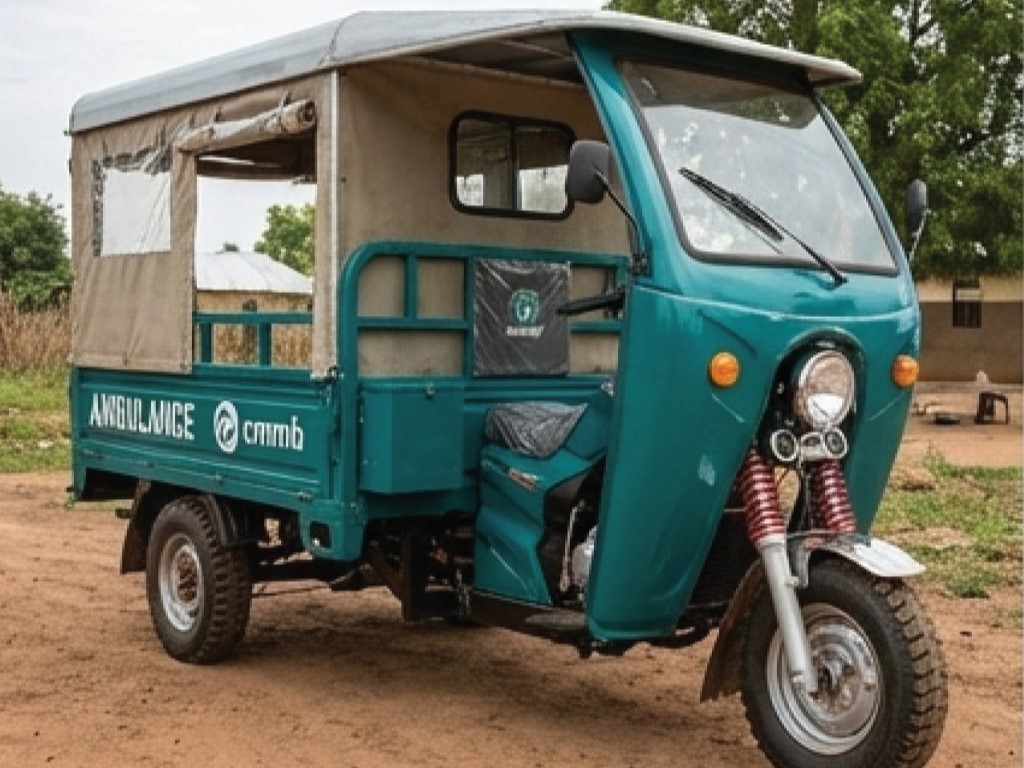
CMMB was determined to deliver swift, reliable transportation options that made it possible for families to access essential health services, even in the rainy season. Thanks to the Loyola Foundation’s generous grant, emergency vehicles are now in Tambura and Yambio counties.
CMMB purchased three motorbike tractors, a common type of transportation in the region. Rugged and low to the ground, they can travel over rough terrain and flood-affected roads that other vehicles cannot manage. These specially adapted ambulances will be stationed at St. Francis Hospital in Tambura and two primary healthcare centers in Yambio County, Rimenze and Nabiapai.
Once they are up and running, these ambulances will connect up to 75,000 people living in the area with essential health services. Health emergencies don’t stop because it’s raining, and we know that outcomes improve when patients receive care sooner. In FY 2025, every pregnant woman cared for at a CMMB-supported health facility in South Sudan survived childbirth. Now, more pregnant women will be able to reach the skilled care that is so essential to protecting the health of mothers and providing a healthy start to newborns.
Driving to a Future Where Healthcare Is in Reach
We are grateful for the generosity of the Loyola Foundation, a partner who shares our commitment to improving the health of women, children, and families in South Sudan.
As we prepare to deliver these vehicles, we are working to raise an additional $9,500 to train the ambulance drivers, provide fuel, and support basic upkeep. The ambulances will be managed and maintained locally by CMMB-supported health facilities, helping improve the lives of people in South Sudan for years to come. Thanks to the generosity of our supporters, CMMB is driving toward a future where care reaches more people in time.