World Diabetes Day: Early Action
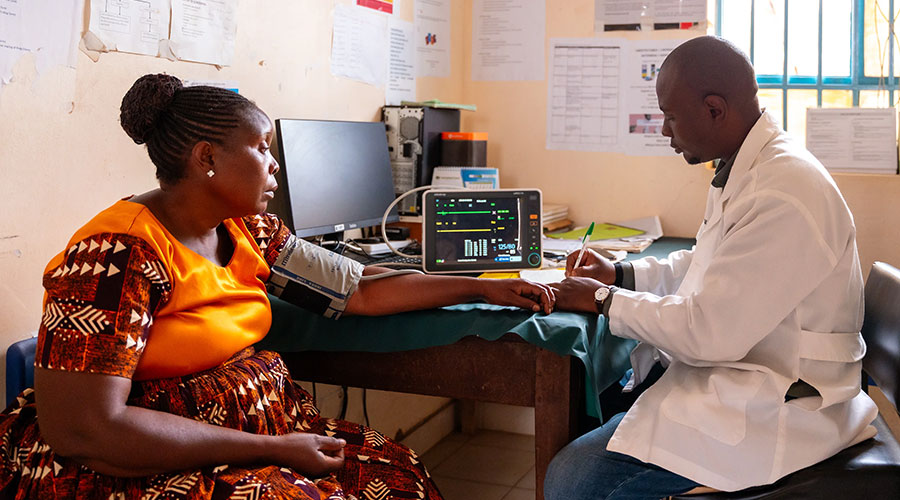
For a child living with diabetes, early diagnosis, reliable access to treatment, and trusted care can mean the chance to grow up with every opportunity and experience they deserve. It means going to school, playing sports, and someday pursuing a career. For a mother or father, access to diagnosis and ongoing care means being there to raise their children, care for their families, and make memories together.
This World Diabetes Day, under the theme of “Early Action on Diabetes,” we consider the reality of living with this condition in communities where getting a diagnosis, let alone managing the disease, is far more complicated than a trip to the family doctor down the road.
The Stark Reality
The burden of diabetes falls disproportionately on low- and middle-income countries, where access to screening, diagnosis, and reliable treatment can be limited. Even for those who receive a diagnosis, accessing the medicines they need is not always straightforward. When primary health centers run out of essential medicines, patients may be forced to turn to commercial pharmacies, where higher prices can still keep treatment out of reach. These interruptions in care can have life-threatening consequences.
CMMB Takes Early Action
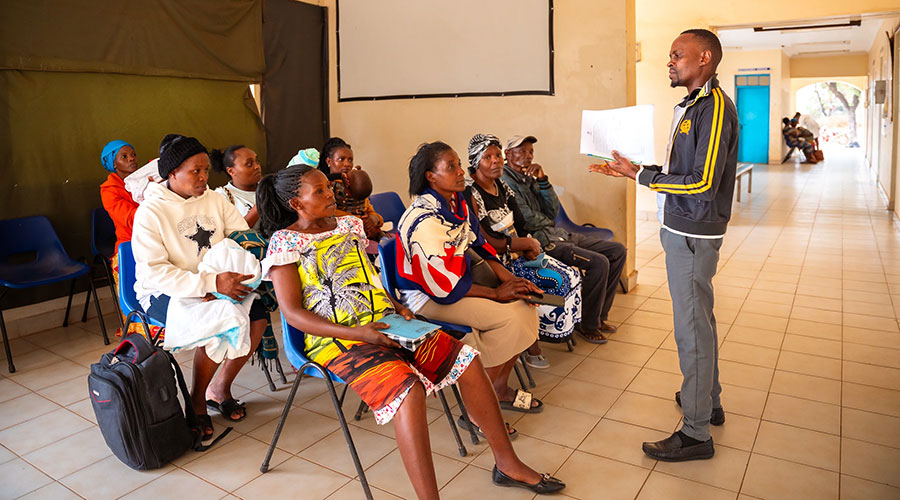
The Noncommunicable Disease Initiative (NCDI) is designed to protect people from the life-threatening consequences of treatment interruptions. First launched in Kenya and now active in Sierra Leone and Nigeria, CMMB is closing the gap between diagnosis and treatment through more than a reliable medicine supply. Through the NCDI, we are:
- Training frontline health workers
- Strengthening reliable medicine supply chains
- Integrating digital information systems
- Building sustainable financing models
Impact in Kenya
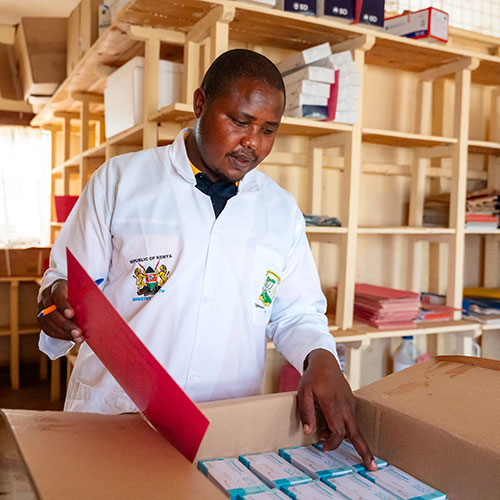
In Kenya, CMMB’s NCDI ensures essential medicines are reliably available and affordable at 61 underserved health facilities in 12 counties, while training health workers to effectively treat patients living with these conditions, including diabetes. Last year, it reached 180 health workers with training and over 12,500 patients with consistent treatment—numbers that have only grown this year.
Dr. Mutuku, the Noncommunicable Disease (NCD) Coordinator for Makueni County, has witnessed this growth firsthand. And at the Kalulini Health Center, the results are changing lives.
We met Dr. Mutuku at this facility during a routine support supervision visit, during which his latest assessment of NCD care left him feeling positive.
“Six months ago, the situation was very different,” he said. “Most health centers had less than one month’s supply of diabetes medicines—far below the recommended three- to six-month stock.”
During those first visits, patient records indicated something unsurprising. Medication was unreliable at the Kalulini Health Center. As a result, many patients stopped returning for follow-up appointments. Though costlier, they were seeking medication refills at commercial pharmacies because they could not be sure the medicines they needed would be available at the facility.
The arrival of CMMB’s NCDI at the health center was a real turning point. All 61 health facilities participating in the initiative, including Kalulini, received a donation, or seed stock, of essential diabetes and hypertension medicines.
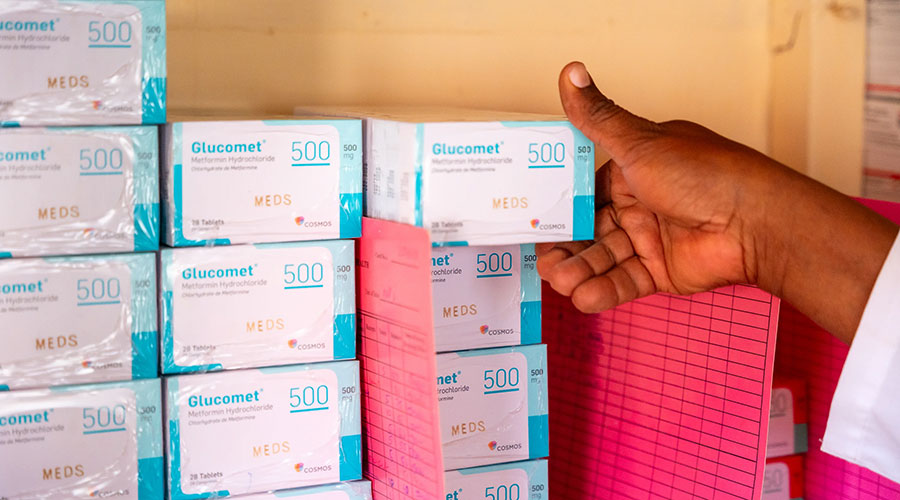
Regaining confidence in the facility’s availability of medicine, Dr. Mutuku is now seeing patients return. Across supported clinics in Makueni, returning patients tripled. And at Kalulini Health Center, 96% of patients with hypertension had their blood pressure under control.
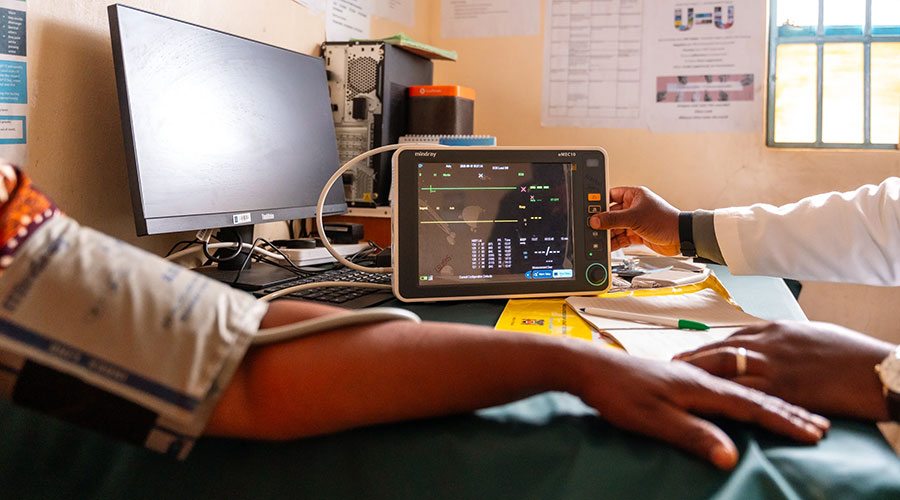
“These results showed us that keeping medicines available can make a real difference,” he said.
For Dr. Mutuku, this was an important lesson. A medicine shortage was not simply a problem for the pharmacy. It could also determine whether a patient returned for care and whether they could continue treatment close to home.
Partnering with Our Access to Medicines Program
Behind every patient who receives reliable diabetes treatment is a network of healthcare professionals, pharmaceutical innovators, and partners working to make medicines accessible. CMMB’s Access to Medicines Program engages pharmaceutical manufacturers and partners to help bridge the gap between available medicines and the needs of underserved communities through medical donations. As demand for diabetes treatments continues, we are working to identify priority medicine shortages, strengthen targeted product partnerships, and increase the availability of treatments. Our Noncommunicable Disease Impact Initiative builds on this commitment by strengthening local healthcare systems and helping patients maintain consistent access to care.
This World Diabetes Day, we thank our global partners and invite new collaborators to join us to ensure sustained medicine access for patients, no matter where they live. Interested in exploring a partnership? Connect with our team.