Water for Healthier Lives
Globally, hundreds of thousands of people die each year in low- and middle-income countries as a result of inadequate water, sanitation, and hygiene (WASH). WASH programs are critical to children’s survival. CMMB observes UNICEF WASH strategies and protocols worldwide.
Our approach includes:
- WASH education.
- Water point construction and rehabilitation.
- Water treatment through filtration systems and water treatment products.
- Latrine construction, including at schools to support education for girls.
- Innovative ecological toilets.
- Development of safe water sources and waste management at local health facilities.
Community health workers play a large role in WASH education and supporting behavior change. They educate local communities by providing awareness around the importance and health impact of hand washing, dedicated toilets, and clean drinking water. Focused follow-up visits further reinforce these messages and support lasting behavior change. CMMB is also involved in advocacy support for national campaigns (including community-led total sanitation to combat open defecation).
Safe Water for Rural Zambia
Access to clean water is a major challenge in Mwandi District, especially for people living in scattered village areas. Most households lack ready access to safe, dependable water sources and must rely on surface water, unprotected dug wells, and unprotected springs. Water treatment is also not widely practiced. Women and girls are primarily responsible for fetching potable water for their families. Depending upon location, they may spend anywhere from a half hour to two hours walking in order to reach a safe water source.
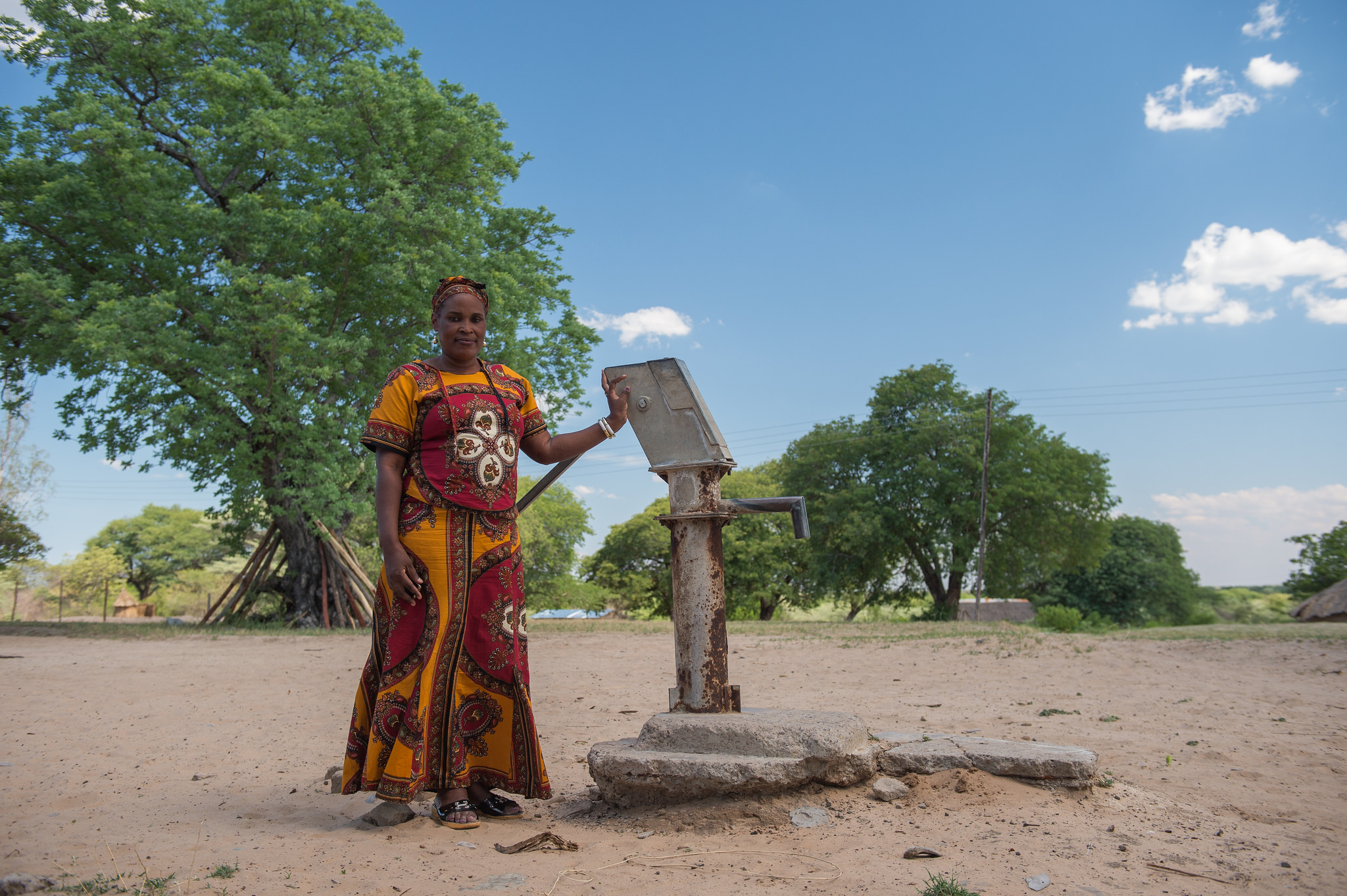
Rebecca (above), head teacher at Simungoma Primary School, says that lack of access to safe water has a negative impact on her students. Many get up as early as 4 am in order to fetch water for the family and get to school on time. Students who get to the pump late can wait in line for hours and may not make it to class at all.